Training for trail ultras in urban areas
/by Greta Truscott
Training for a trail ultramarathon while living in a city or urban environment can be challenging, but it is certainly achievable with some creativity and planning. The key is to mimic the physical demands of trail running:
endurance
elevation gain
technical agility, and
mental toughness.
Sufficient mileage including long runs are cornerstone for ultra training and can still be effective on roads. Your legs will be conditioned to prolonged impact from the roads. However, to reduce the monotony of running on flat pavement, plan routes that explore different neighbourhoods or incorporate mixed surfaces like gravel paths, canal/river tracks, coastal routes or parks even if you need to do multiple small loops or out and backs. Consider back-to-back long runs on weekends to simulate running on tired legs, which is a key aspect of ultra preparation.

valuable hill repeats such as this one at moore park in the heart of sydney
If you have occasional access to trails on some weekends or short trips, use those opportunities to focus on some bigger hills, technical footwork and downhill running, but other than that make the most of what is around you close to home if you don’t have time to getaway further afield.
Even when you’re surrounded by footpaths instead of dirt tracks, urban environments can offer unique opportunities to build the strength and resilience that trail ultras require. Since most cities lack long stretches of natural trails and mountains, you’ll need to be strategic about finding elevation and variety such as utilising:
stairs,
bridges,
grassy parks, sports fields or footy ovals,
sandy beaches and
steep city streets.

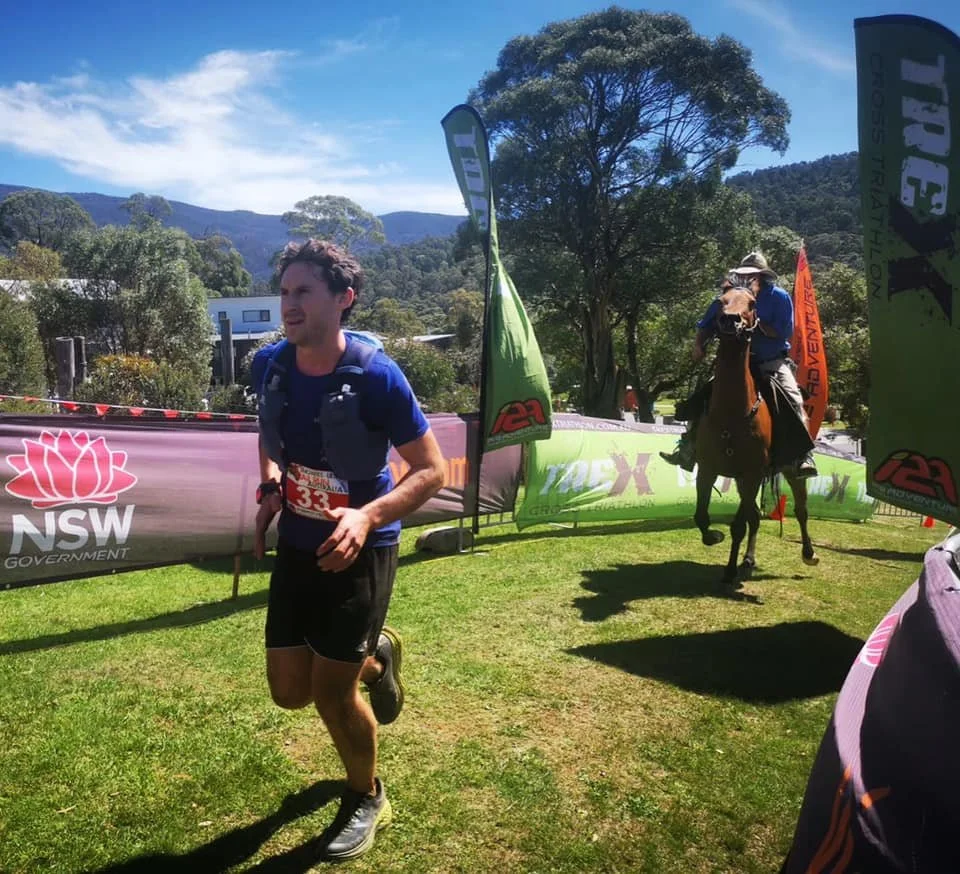
Sand running helps build leg strength for trail events (image Bouddi Coastal event Nov 2025)
Running multiple repeats on flights of stairs or hills can simulate sustained climbs and descents, which are crucial for ultra endurance. You’re needing to build strength in all the muscle groups and fitness, but it’s not just about the ups, it is VERY important to work the downs to help mash up the quads etc and get them used to a lot of downhill pounding. The ups are all slower, but it’s the downs where you can make up substantial time if you’ve trained on this. Stairstepper in the gym is handy for the going up / climbing type movement. Treadmills set to an incline can be awesome for setting looong hill climb type effort. However, both the treadmill and stair stepper don’t have the downhill aspect so make sure you get outdoors on the down hills and down stairs.
To prepare your legs for uneven terrain, seek out parks with dirt paths, grassy fields, or even sandy areas to work your leg strength harder including stabilizer muscles, particularly round the ankles and feet and your balance. You can also include agility drills (quick feet / pitter patters, side stepping, grapevine, hopping, high knee skips, bounding etc), balance work (single leg >> arabesque, knee hugs, half squat and sideways movements etc), and whole body strength training in the gym. All of this helps to mimic the demands of technical trails. Bouldering gyms can help build your whole body strength and balance including jumping off the walls (from low heights i.e. 1metre) and landing safely.
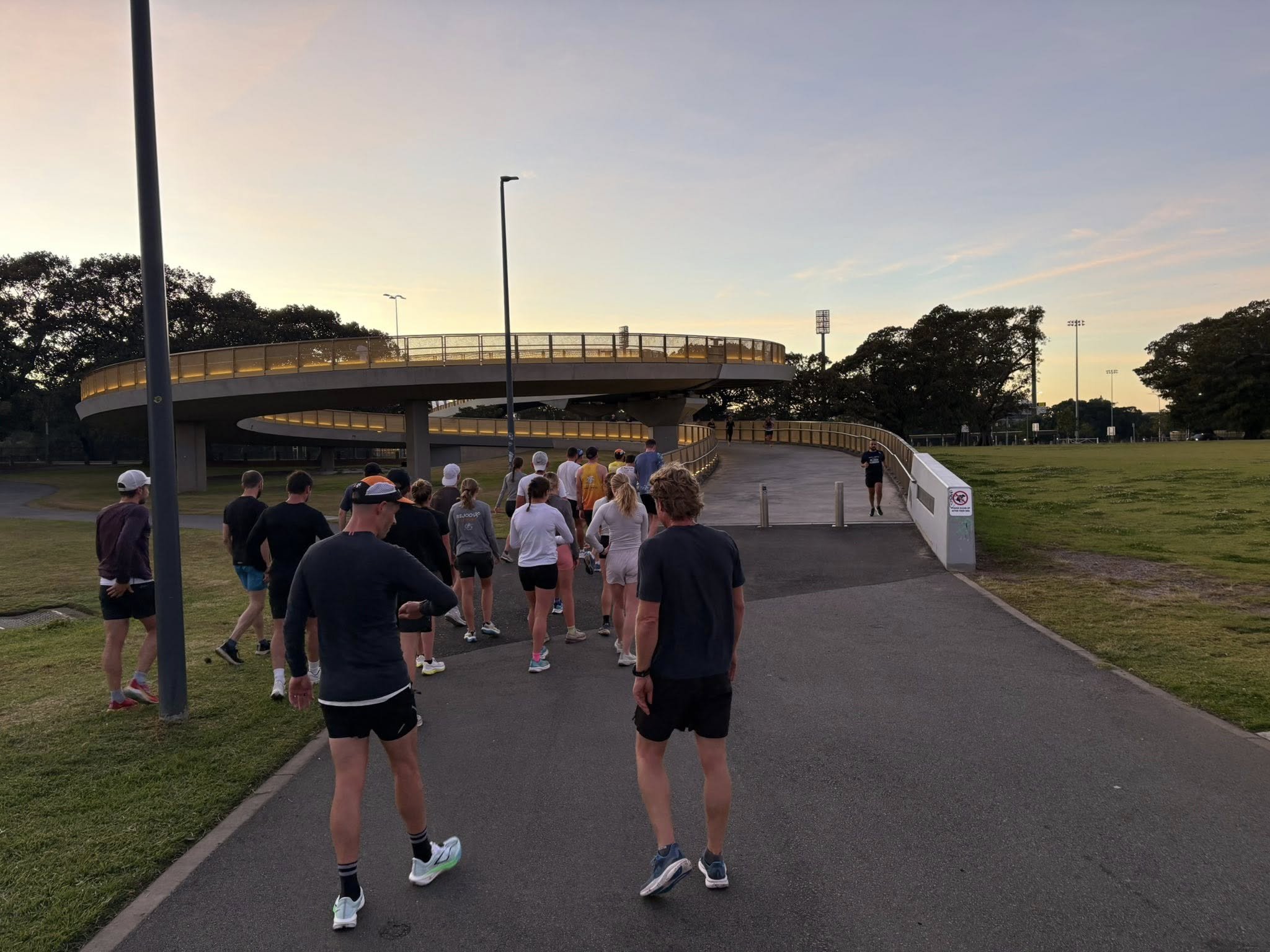
bridge hill repeats included in a continuous tempo session
Practice wearing your hydration pack / vest with all your nutrition, water and mandatory gear. These “weighted” runs get you stronger including your upper body.
Everyone can benefit from Gym strength work including weights, elastics and body weight, but this comes in extra helpful if you're missing out on mountains and trails so be sure to add in extra time for this:
Squats including single leg squats / Bulgarian squats
Step ups
Lunges
Deadlifts / double leg / single leg
Side-walks / crab side-squats with elastic
Bridging / planks (front, back and sides) / single leg bridging
Pushups, burpees, pull-ups/bar rows/lat pull downs
Variations of calf raises
Box jumps, squat jumps, split squat jumps etc.
If the event you are training for is at low levels of altitude, and you can’t get to train at altitude then the next best thing could be doing some heat training. Research into this further but it can be running with layers on, at warmer times of the day or on a treadmill in a warm gym or with extra layers. Remember to be SunSmart, hydrate well and build into any heat training carefully because it is highly fatiguing. Even adding in some heat training inside the last few weeks to an event can be beneficial.
Finally, remember that trail ultras test not just your body but also your adaptability and mental strength. Urban training forces you to problem-solve and stay disciplined—qualities that will serve you well during an ultra. By using your environment creatively, maintaining consistency, and supplementing with targeted strength and mobility work, you can arrive at your race trail-ready, even if your daily runs are surrounded by skyscrapers instead of mountains.
Remember to build up your training sensibly, research your options and consider a coach to help structure your training. Good luck for your upcoming training and events.
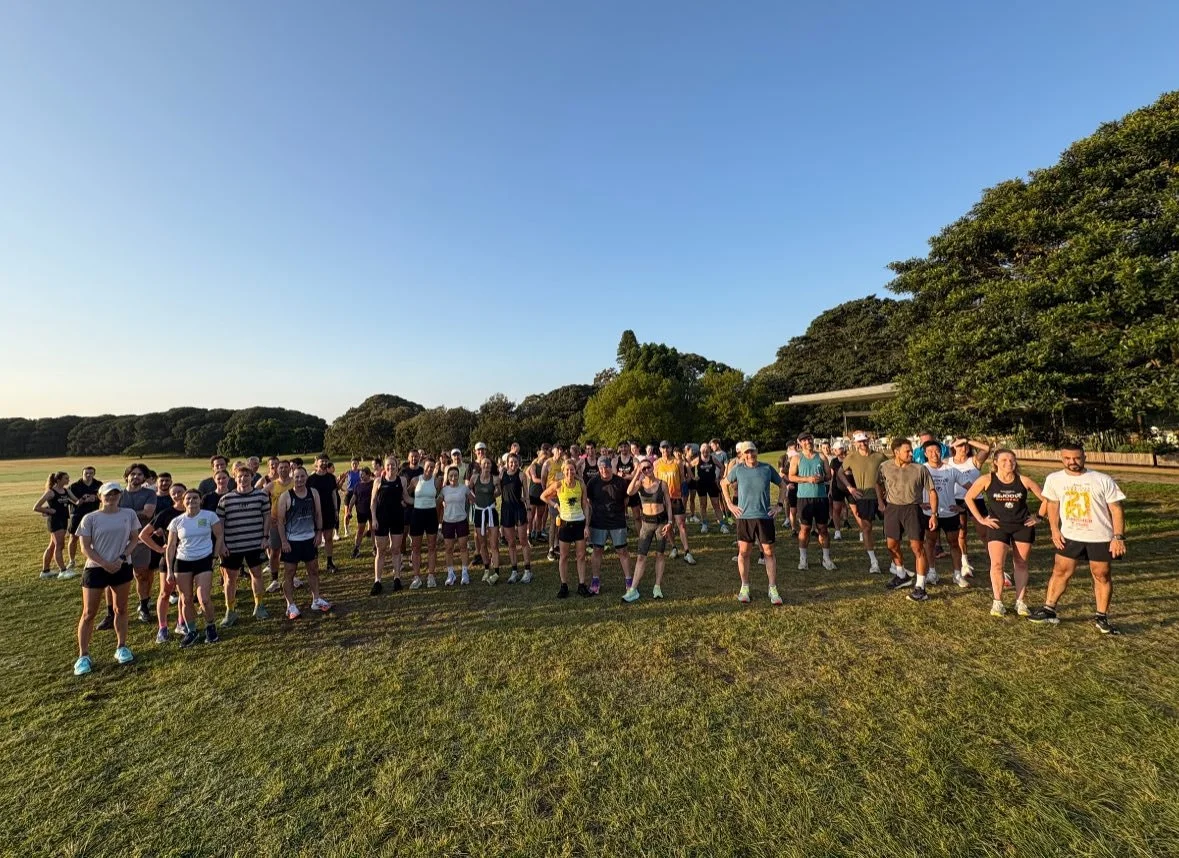
Training on grass helps build leg strength and stability for trail events